
The Food Capitals by Délice Network is delighted to welcome the City of Guayaquil (Ecuador) as a new member of its international network as of May 2026. Through this membership, Guayaquil strengthens its international vision around gastronomy, tourism, entrepreneurship, cultural heritage, and sustainable urban development, while further promoting its rich food culture on the global stage.
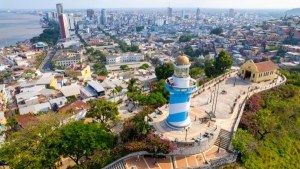
As Ecuador’s largest city and principal port, Guayaquil has long been a crossroads of commerce, culture, and culinary exchange along the Pacific coast. Deeply connected to the Guayas River, mangrove ecosystems, municipal markets, and popular neighbourhoods, the city’s gastronomy reflects a vibrant everyday food culture rooted in seafood traditions, local entrepreneurship, and community life.
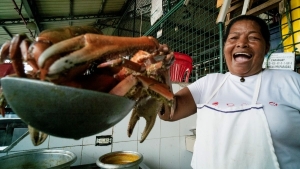
Guayaquil is renowned for iconic dishes such as encebollado, Ecuador’s beloved fish stew recognised in 2024 as Intangible Cultural Heritage of Ecuador, alongside ceviches, cangrejadas (crab feasts), plantain-based specialties, and a rich cuisine shaped by coastal and riverine traditions. Traditional huecas - small local eateries treasured by residents - remain central to the city’s social fabric and tourism identity.
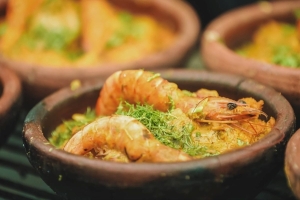
Food also plays an important role in Guayaquil’s economic and urban development strategy. Gastronomy is integrated into the city’s Municipal Strategic Plan and territorial development policies, supporting tourism, entrepreneurship, public-space activation, and local economic growth. Through initiatives led by the city and its entrepreneurship public agency ÉPICO, Guayaquil has strengthened support for culinary entrepreneurs, municipal markets, and international promotion opportunities, including participation at Madrid Fusión 2026.
The city also preserves a strong connection to Ecuador’s cacao heritage. During the historic cacao boom, Guayaquil served as the country’s principal export port for the internationally renowned “Arriba cacao,” helping shape the city’s economic and cultural identity, a legacy still celebrated today through institutions such as the National Cocoa Museum.
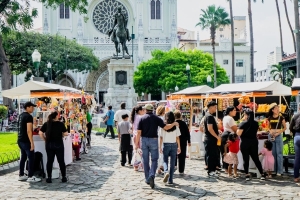
Beyond tourism and economic development, Guayaquil sees gastronomy as a tool for social cohesion, cultural identity, and neighbourhood revitalisation. Through markets, public spaces, food routes, and community traditions, the city aims to strengthen local economies while reinforcing a sense of belonging and shared urban life.
“We consider gastronomy to be much more than a tourist attraction. Emblematic dishes such as encebollado (a fish stew), crab, and plantains in their various preparations reflect the identity, tradition, and spirit of our city. Added to this is cacao, an emblematic product of Ecuador, whose history has shaped the economic, social, and cultural development of Guayaquil.” says Tatiana Coronel Flores, Acting Mayor of Guayaquil. “Being part of the Network of Gastronomic Capitals allows us to share our culinary richness with the world and project Guayaquil as an international destination where gastronomy, culture, and heritage are engines of growth and opportunity.”
Guayaquil now joins other Latin American member cities of The Food Capitals network, including Cali and Cartagena de Indias (Colombia), Puebla (Mexico), Trinidad (Bolivia), and Portoviejo, becoming the second Ecuadorian city to join the network.
Photo credits: © Decentralized Autonomous Municipal Government of Guayaquil
