
Through inspiring and interactive pitches and presentations, cities will share and exchange not only about best practices of innovative projects and initiatives, but also about “flops” and lessons learnt!
Presentations will be followed by themed tabletop discussions in a “World Café” format, where participants have a chance to move from table to table for deeper discussions and exchanges with presenters.
Check back often for program updates!
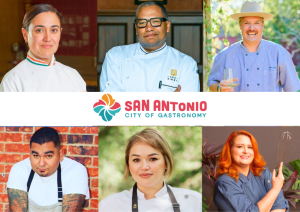
By Arisa Larios, Program Manager: City of Gastronomy, San Antonio
Since 2021, San Antonio has been selecting six chefs to represent its gastronomy program through a dedicated application process. Now in its third cohort, the program continues to evolve. This presentation will dive into both its successes and its challenges, with insights on how to make it even stronger.
As you may have noticed, one of San Antonio’s Chef Ambassadors, Sofia Sada, will also be taking part in our Chefs Beyond Borders initiative!
By Kjell G. Pettersen, Advisor at the Department of Economic Development and International Affairs, City of Stavanger
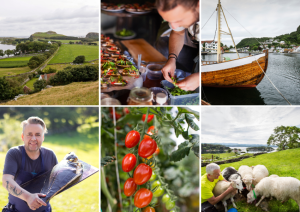
Oppdag Øyriket is a place‑based initiative from Stavanger, Norway, exploring how food, culture, and landscape can be reconnected through existing local resources. The presentation tells the story of an inhabited archipelago where food production, everyday life and visitor experiences had become fragmented and how simple connections, co‑creation, and low‑impact interventions helped rebuild coherence, local value, and pride. Rather than creating new attractions, the project focuses on connecting what already exists, offering insights relevant to food policy, territorial development, and sustainable food systems.
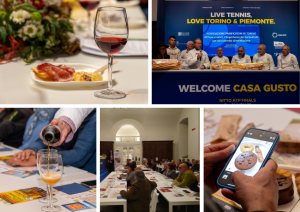
By Cristina Paolasso, Food & Wine Tourism Development at Turismo Torino e Provincia
When global audiences gather for major non-food events, they come for the spectacle, but they remember the experience. One of the most powerful ways to enrich that experience is through local cuisine. Food is not just nourishment; it’s culture, identity, and storytelling. This is where initiatives like Casa Gusto step in.
By Edyta Pawlaczek, Senior Specialist at the Economic Development Office, Municipality of Wrocław
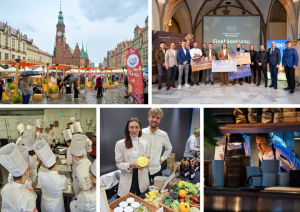
For several years, the city of Wrocław has been pursuing a consistent policy of supporting local gastronomy – from culinary competitions and events led by outstanding chefs from across Europe, to workshops and training for restaurateurs. In 2025, Wrocław was included in the Michelin Guide for the first time – and with a strong start: 22 restaurants were recognized, and three were awarded Bib Gourmand. A Michelin debut, however, is not the end, but just another step along the way. Being included in the Guide isn't enough to become the gastronomic capital of the region. Consistency and continued investment are necessary – both in education and in the professionalization of the industry. Learn more about the challenges, difficulties, and initiatives the city is taking in building its gastronomic brand, a permanent place on the map of European culinary destinations.
By Carlos Carvalho, President of the Portuguese Academy of Gastronomy and the Secretary General of ECNG (European Community of New Gastronomy)
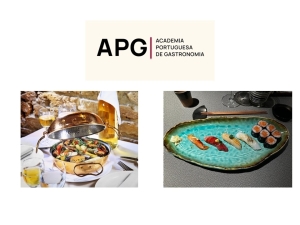
Will the globalisation phenomenon destroy the culinary traditions of each country? As globalisation accelerates the circulation of products, ideas, and food cultures, traditional cuisines are undergoing profound transformations. Does this growing interconnectedness threaten the survival of local culinary identities, or can it become a driver for their renewal and appreciation?
In this presentation, we will explore the tensions and synergies between global influences and deeply rooted food traditions.
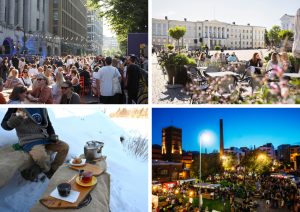
By Sonja Immonen, Project Manager & Petra Majander, Creative Director, Helsinki City Premises Ltd.
Helsinki serves as an exceptional example of a city where food, creativity, and urban development are intertwined. We create experimental platforms where sustainable and seasonal food concepts, experimental pop-ups, and communal spaces explore what the future of urban happy life can look and feel like.
By Patrick St-Vincent, General Director of La Table Ronde, and Anne-Virginie Schmidt, Principal Director, Marketing & Finance of La Table Ronde and Co-Founder of Miels d’Anicet
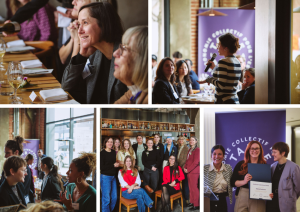
What does it take to lead and innovate in today’s gastronomy sector? In this session, speakers from Montreal’s La Table Ronde will share their perspectives on leadership, entrepreneurship, and transformation within the food ecosystem. Focusing in particular on the role of women in gastronomy through La Table Ronde’s “Accélérateur Leadership au féminin” (“Women's Leadership Accelerator”), a unique initiative in Quebec specifically developed for women entrepreneurs in the culinary arts, the presentation will explore how inclusive and forward-thinking leadership can act as a catalyst for change. From supporting emerging talent to fostering new business models, this presentation highlights the importance of diversity and collaboration in shaping the future of the industry.
By Elise Rabaey, Strategic Project Director for the city of Lausanne & Anouck Marmy, Deputy CEO of Beaulieu Congress Center
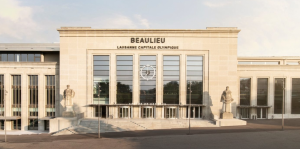
The Gourmet Halls project at Beaulieu’s Convention Center is not just about food: it is about positioning Lausanne as a future gastronomic destination. Connected to the congress center, the project is already becoming a strong asset to attract international culinary events such as Bocuse d’Or Europe or The Best Chef Awards, while creating momentum for new food initiatives. But beyond events, the ambition is bigger: to create a vibrant ecosystem where gastronomy connects education, innovation, nutrition, local producers, young culinary talent, and entrepreneurship. The Gourmet Halls are envisioned as a catalyst — a place where collaborations, ideas, and opportunities can emerge and contribute to Lausanne’s long-term culinary identity, attractiveness, and international visibility.
By Laura Castoldi, Holistic Chef and Counselor, Patronato por la Cocina del Callao
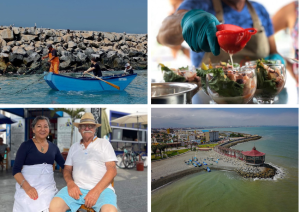
Laura will share the story of Cantolao Bay in Callao, Peru, a place where history, tradition, and the struggle for survival are deeply intertwined. Today, artisanal fishermen face mounting challenges, from pollution and climate change to a lack of institutional support. Yet despite these pressures, the fishing community continues to persevere by reconnecting with a historic bond that dates back to the mid-19th century: when Italian migrants arrived in Callao and introduced fishing techniques that merged with the ancestral knowledge of the local Piti Piti communities, helping shape the identity of Peru’s first port city.
Three years ago, fishermen from Callao travelled to southern Italy, where they encountered communities confronting similar realities. Since then, this exchange has sparked new collaborations and shared strategies between Peru and Italy, rooted in resilience, cultural heritage, and the future of coastal communities.
Photo Credits: © City of San Antonio, © City of Stavanger, © Turismo de Torino e Provincia, © City of Wrocław, © Portuguese Academy of Gastronomy, © Helsinki City Premises Ltd., © Heiko Müller, © Jussi Hellsten, © La Table Ronde, © Beaulieu Lausanne, © Patronato por la Cocina del Callao
